





HZPT
HZPT Korea · Industrial Engineering

Power transmission components, organised for engineering selection

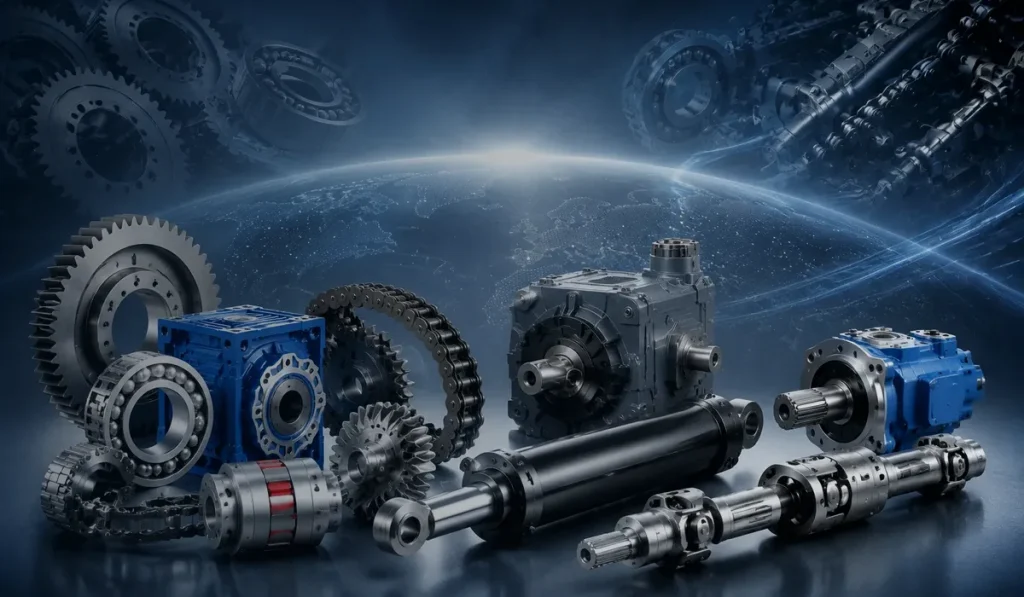
Chains, sprockets, gears, gearboxes, shafts and hydraulic cylinders are presented by product family first, then by common subfamilies and application variables.

HZPT Korea · Industrial Engineering

Drive shafts and motion interfaces from catalogue evidence

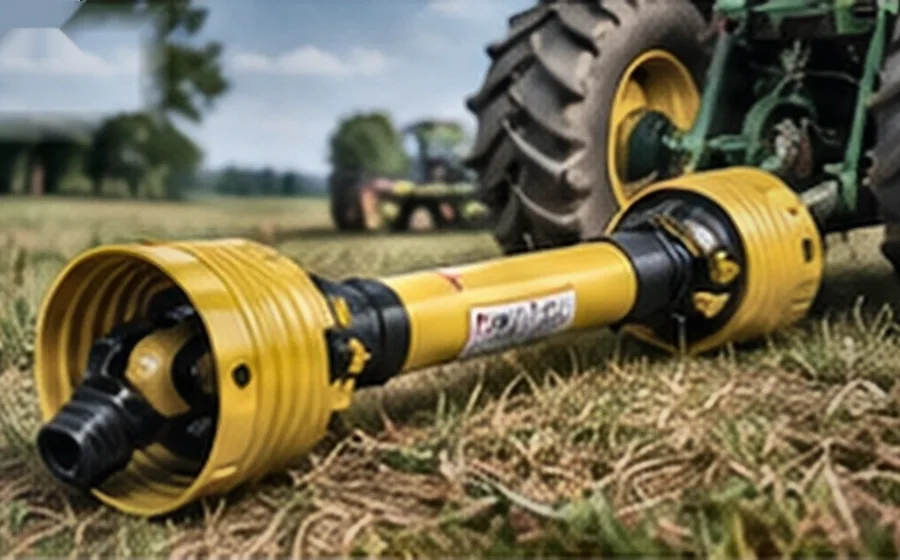
PTO shafts, cardan shafts, yokes, cross kits and protection devices are reviewed from measurable interfaces, working length, angle and torque-protection requirements.

HZPT Korea · Industrial Engineering

Complete equipment and process systems kept in a separate workflow

RTO systems, balers, air compressors and stone-crusher projects use process or machine duty data rather than being mixed into the component catalogue.

Catalogue architecture

Components first. Complete equipment separately.

The site now separates part families from complete machines so buyers do not have to scan RTO, balers or compressors inside a transmission-component grid. Each component card exposes common subfamilies before the buyer opens a detailed category page.

Chains product family

Chains

Power transmission and conveying chain families.

Open from the Products menu

Sprockets product family

Sprockets

Sprockets matched to chain pitch, tooth count, hub/bore and mounting method.

Open from the Products menu

Gears product family

Gears

Gear and rack products selected around module/DP, tooth form, material and accuracy requirements.

Open from the Products menu

Gearboxes product family

Gearboxes

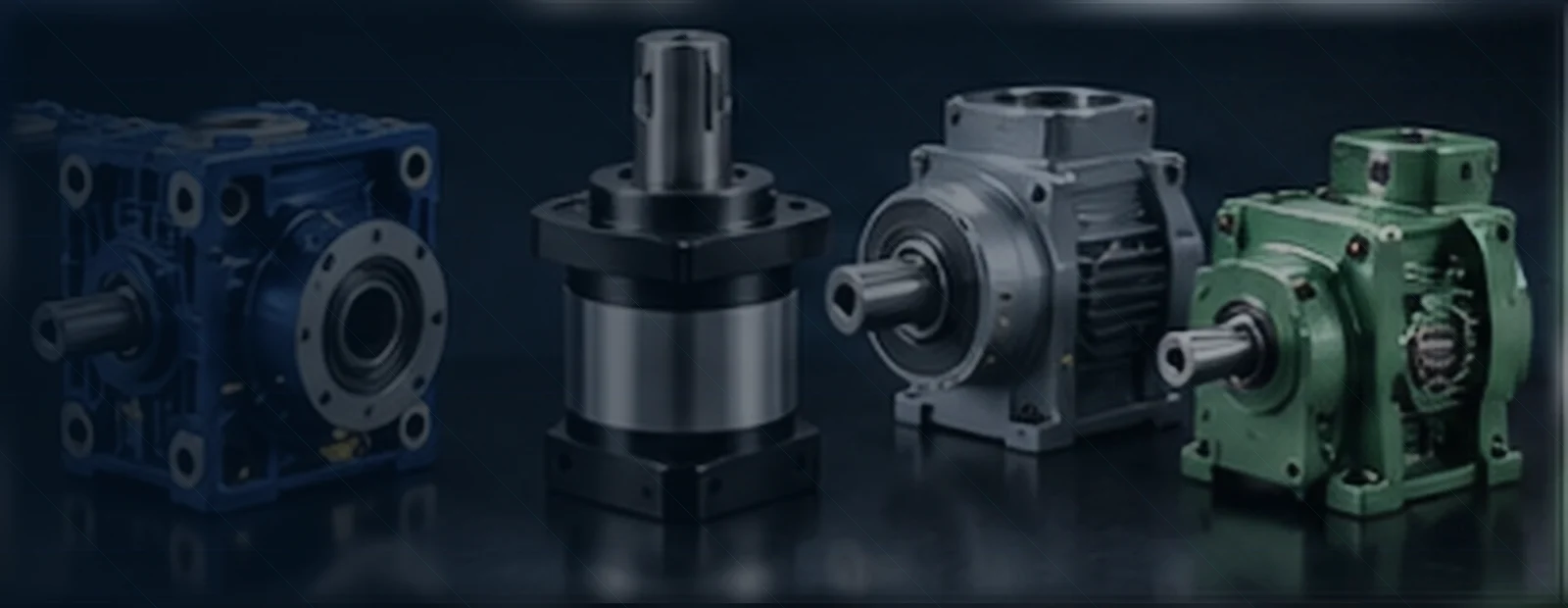
Reducers and gearboxes selected from ratio, torque, duty, mounting and output interface.

Open from the Products menu

Drive Shafts product family

Drive Shafts

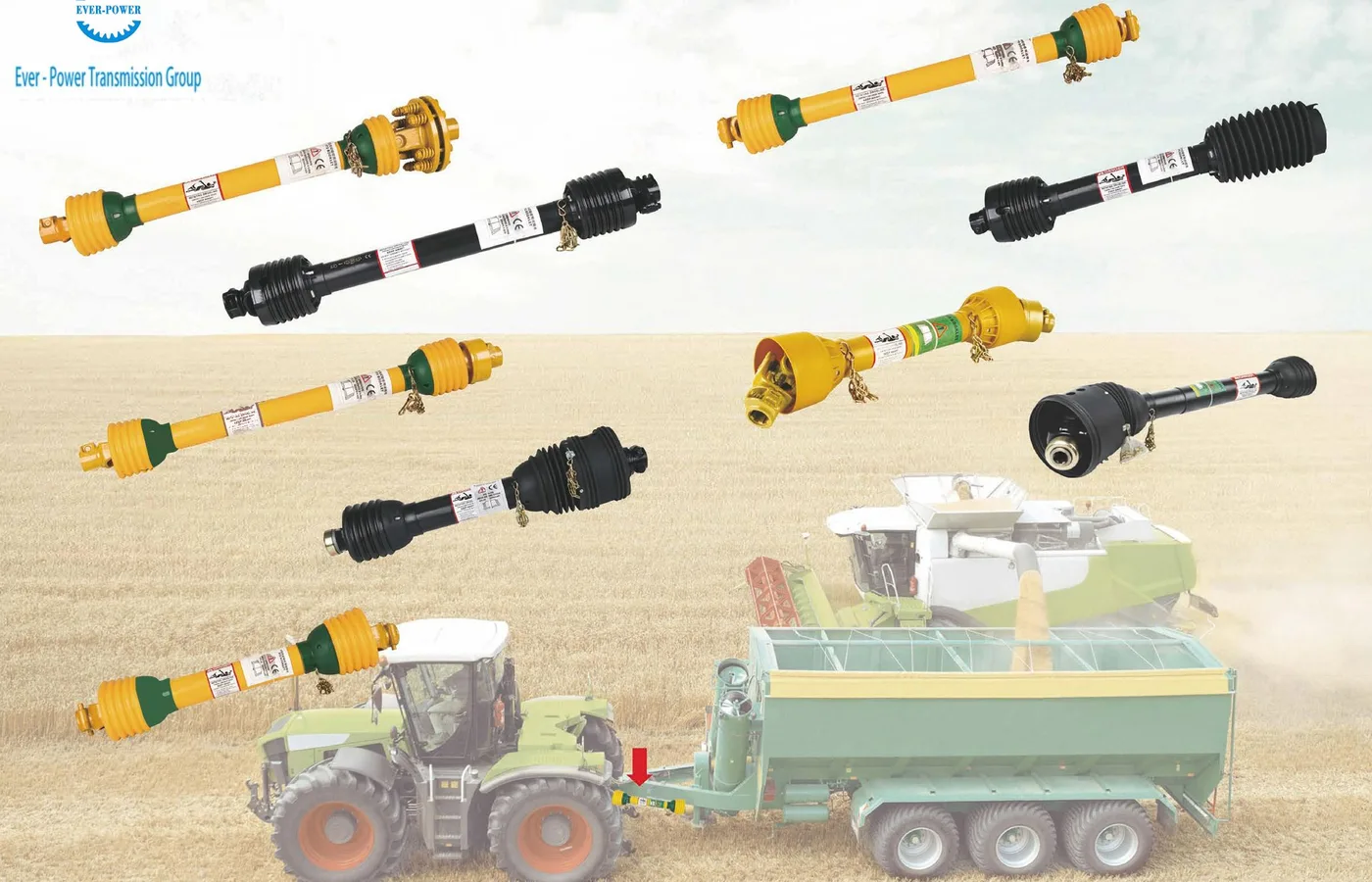
PTO and cardan shaft systems with yokes, cross kits and overload protection.

Open from the Products menu

Hydraulic Cylinders product family

Hydraulic Cylinders

Linear actuators organised by machine duty, mounting geometry, stroke, pressure and port requirements.

Open from the Products menu

Selected technical samples

Use catalogue evidence where it improves the engineering review

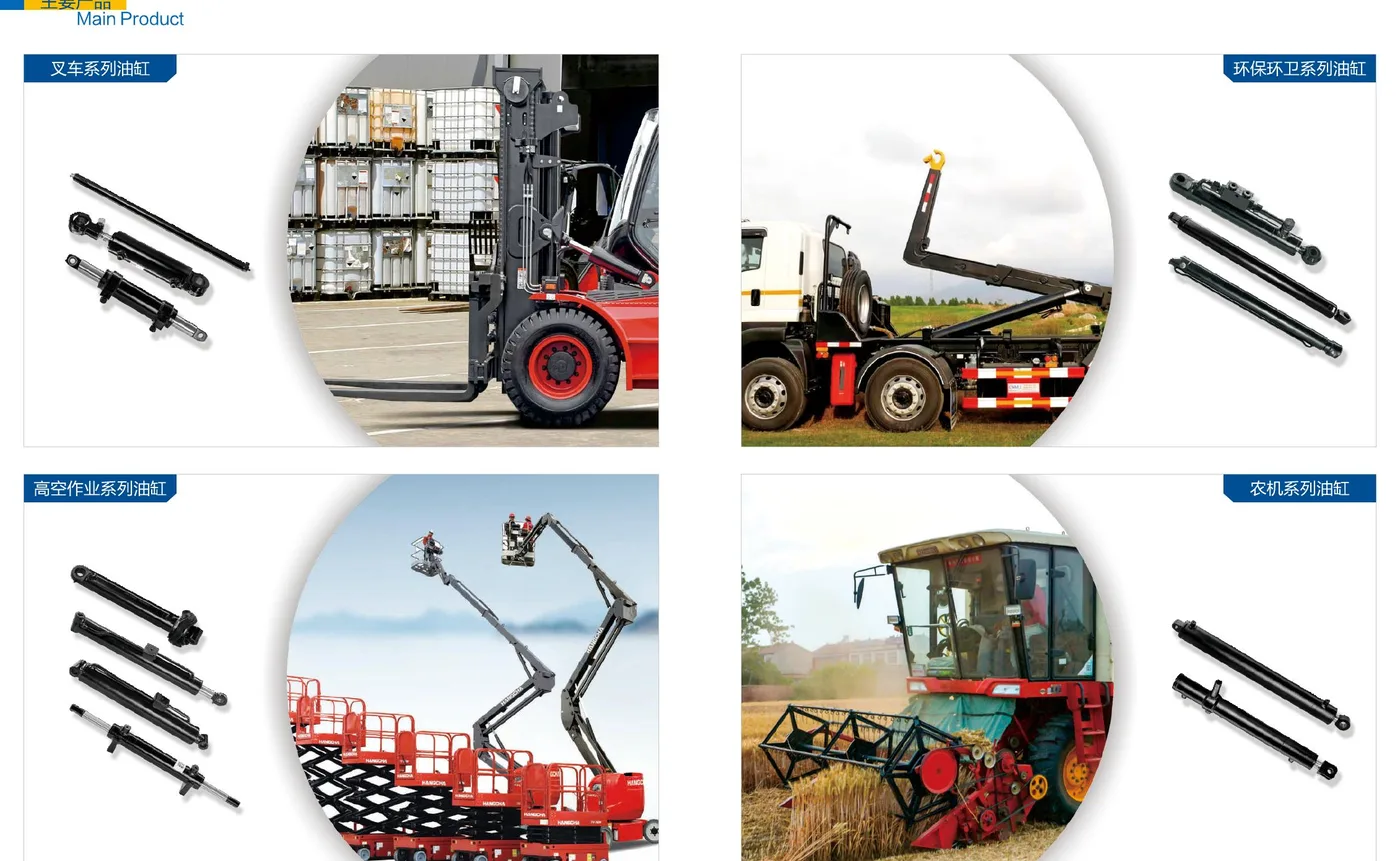
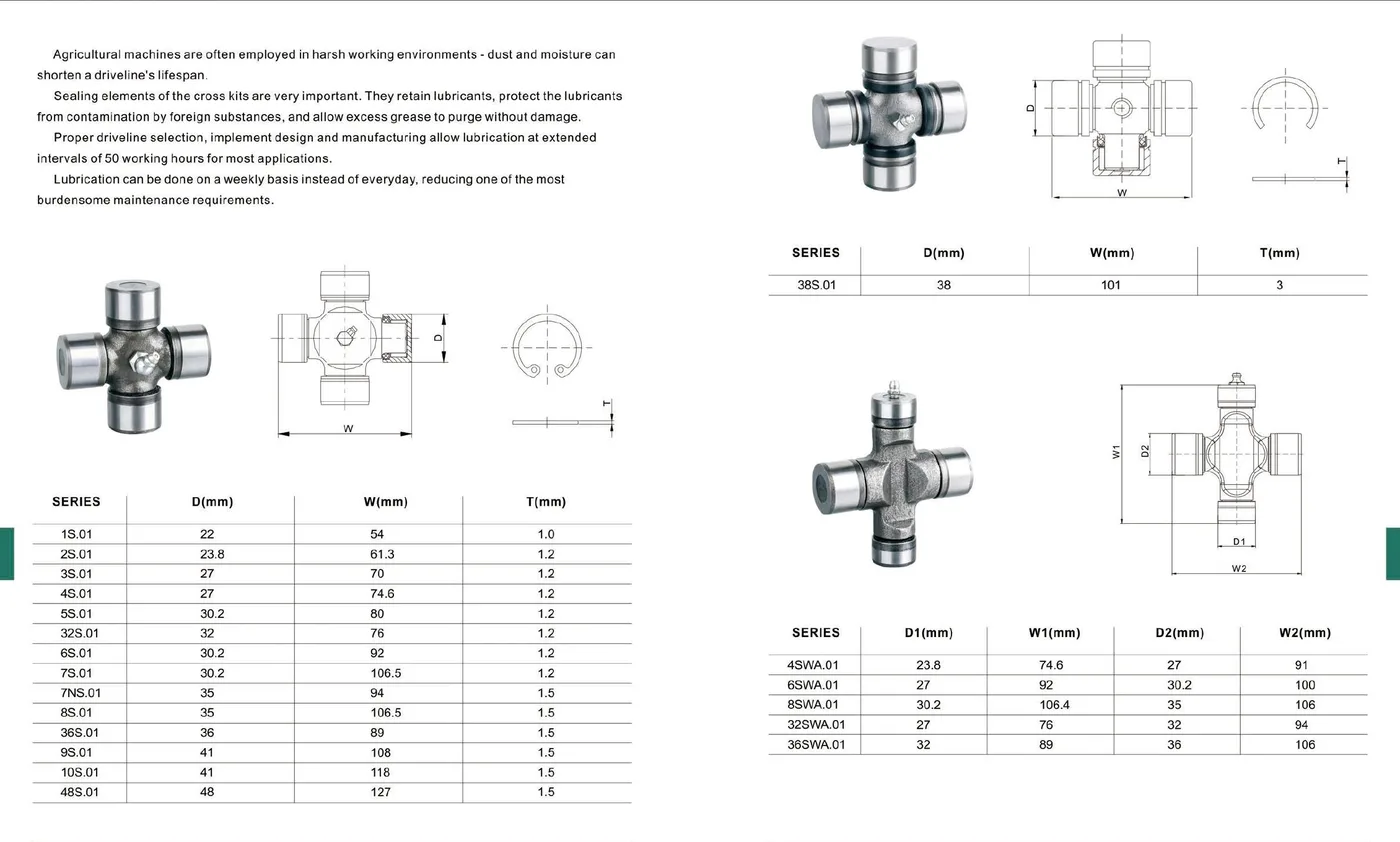
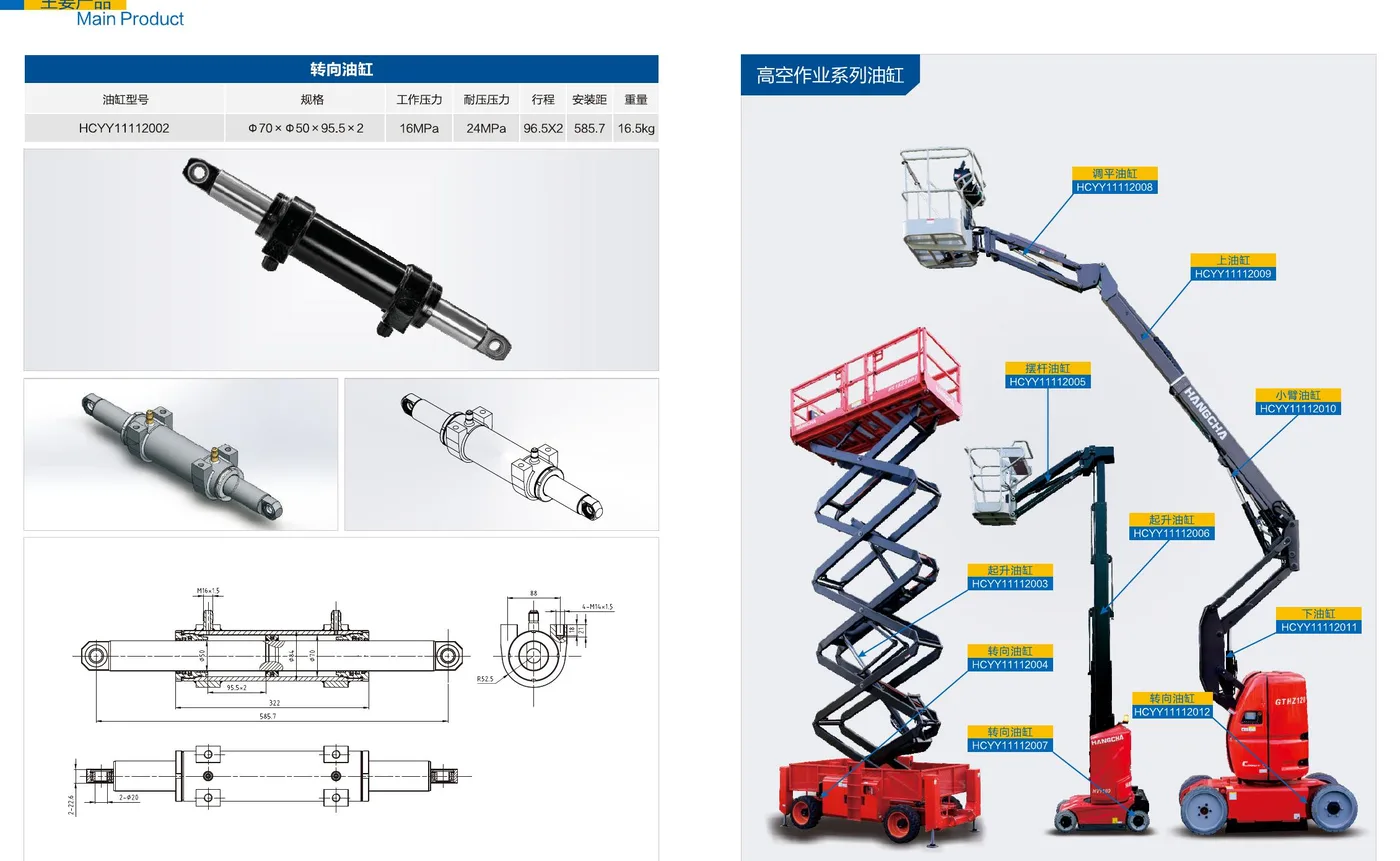
The drive-shaft and hydraulic-cylinder visuals below are extracted from the selected HZPT / EVER-POWER technical catalogues. They are used as technical context—product family, component geometry, application and manufacturing—not as invented customer-case evidence.

PTO shaft cross kit catalogue view
Catalogue view: cross-kit geometry and series information.
Hydraulic cylinder product and drawing catalogue view
Catalogue view: cylinder product, drawing and mobile-machine application.
Complete equipment & systems

Keep complete machines in their own decision path

RTO systems, balers, air compressors and stone crushers use different process or machine inputs from a chain, sprocket or shaft. They therefore use a larger left/right equipment layout and their own RFQ variables.

RTO Systems equipment
Complete equipment

RTO Systems

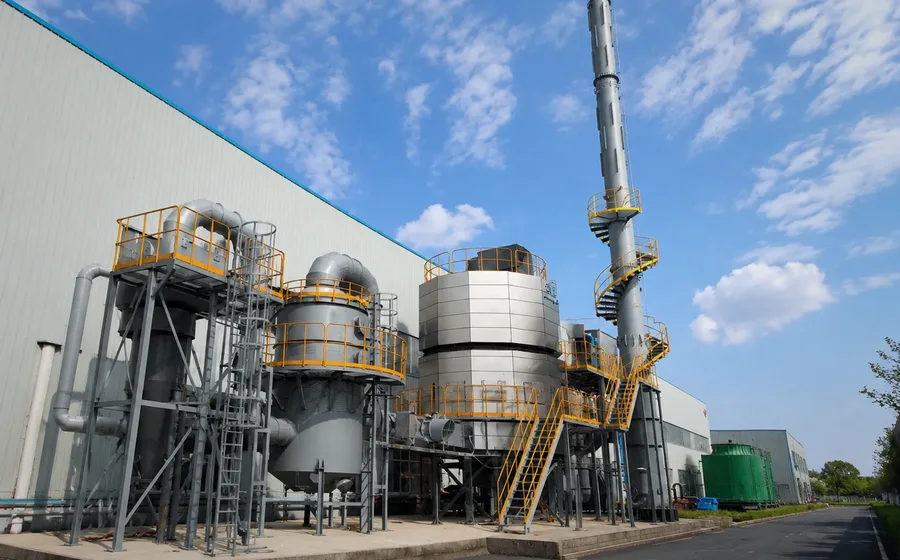
VOC abatement is a process-engineering enquiry. Start with gas composition, concentration range, flow, temperature, moisture, particulates, LEL context, utilities and heat-recovery demand. Rotary and multi-bed RTO arrangements are then compared against the real exhaust stream rather than a generic equipment label.

Rotary valve RTOMulti-bed RTOHeat recoveryPre-treatment / concentration

Open from the Products menu

Balers equipment
Complete equipment

Balers

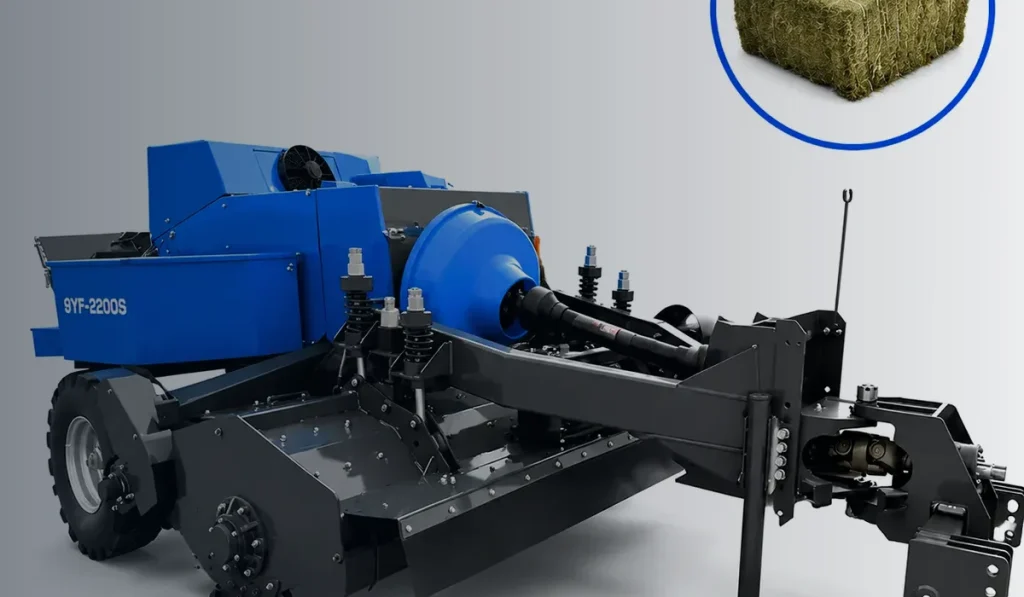
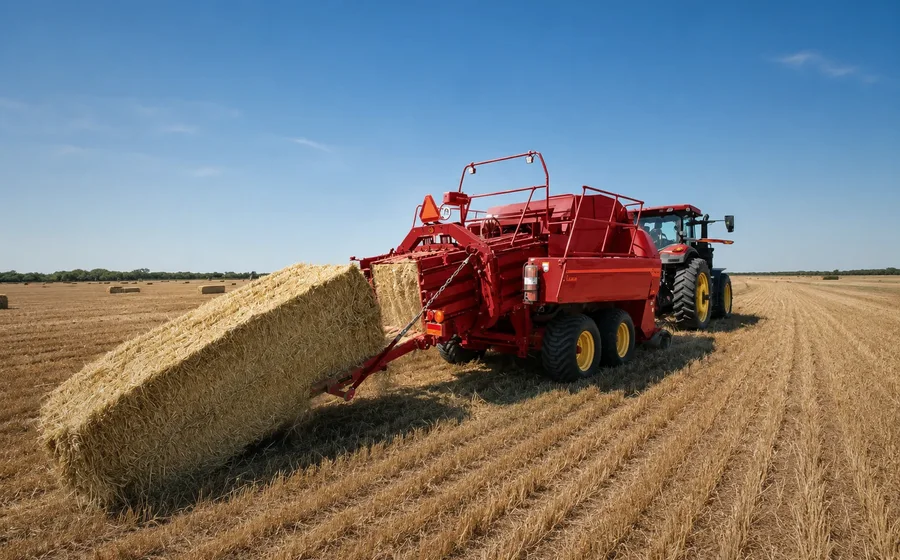
Baler selection starts with crop, moisture condition, bale target, tractor/PTO interface, field duty and service access. The machine is reviewed as an integrated agricultural system rather than as another transmission-component card.

Square baler familyPTO drivelinePickup & feedingBale-format / crop duty

Open from the Products menu

Air Compressors equipment
Complete equipment

Air Compressors

Oil-free compressed-air projects start with required pressure, average and peak demand, duty pattern, ambient conditions, cooling, electrical supply and downstream air-quality requirements.

Water-lubricated oil-free screwFixed-speed familyVariable-speed familySystem integration

Open from the Products menu

Stone Crushers equipment
Complete equipment

Stone Crushers

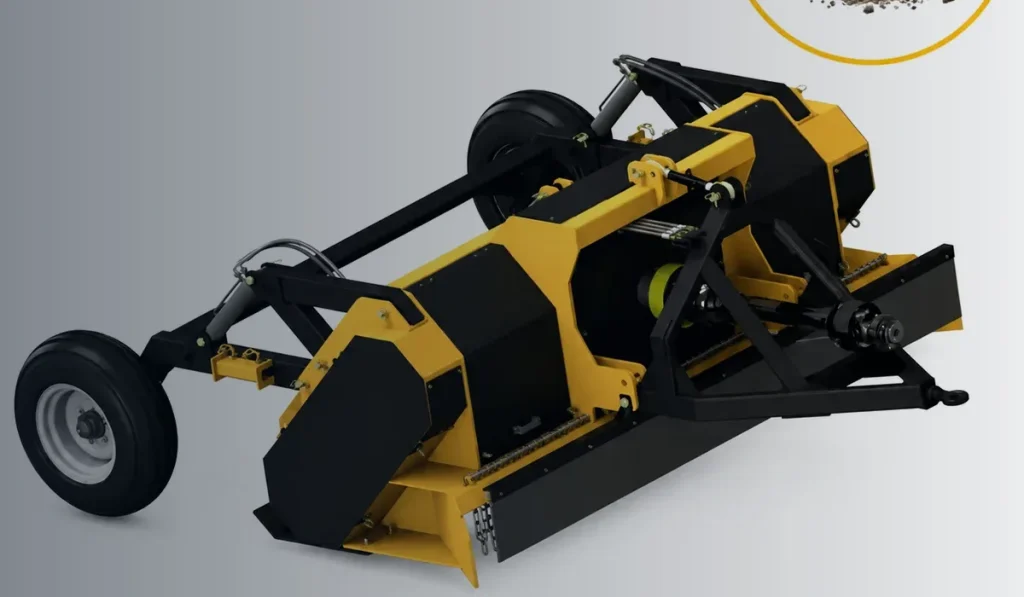
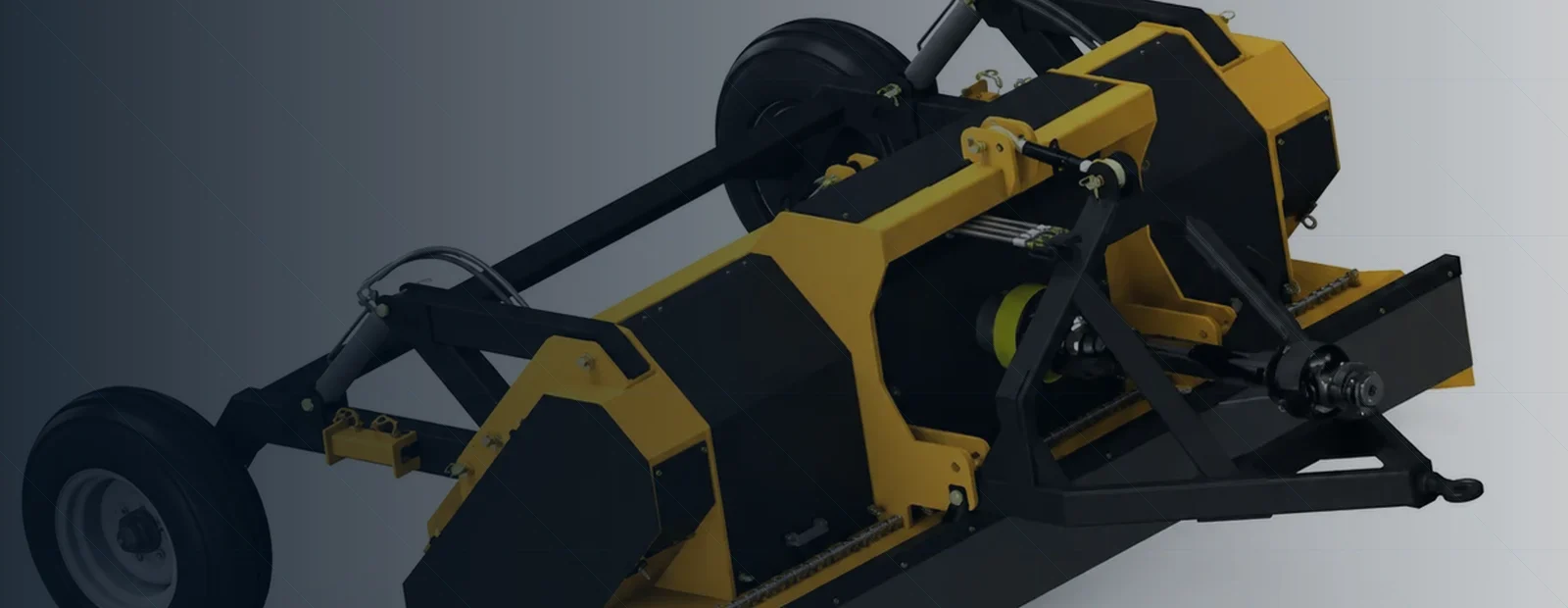
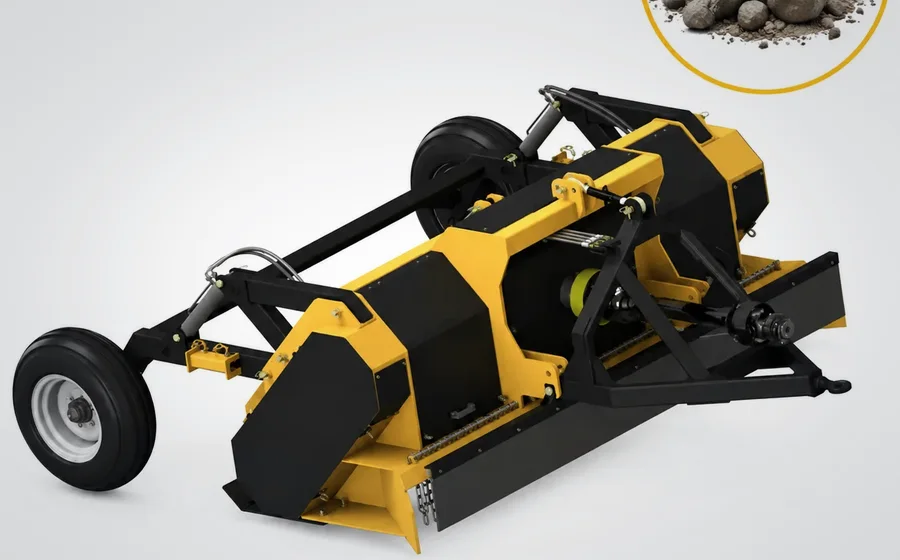
Crusher and rocky-soil equipment enquiries need feed/ground condition, tractor or drive interface, working width/depth, target output and shock-load context before a model or drivetrain can be confirmed.

PSW-3200 familyTractor / PTO interfaceRock & soil conditionDrivetrain review

Open from the Products menu

Applications

Connect the product family to the operating context

Application pages help buyers collect the duty and interface data that changes the answer before a model, drawing or quotation is released.

Agricultural machinery

Agricultural machinery

PTO, hydraulic, chain and baler duty.

General industrial drives

Industrial drives

Torque, speed, ratio, alignment and interfaces.

VOC abatement

VOC abatement

Flow, composition, LEL context and heat recovery.

Mining and aggregate

Mining & aggregate

Shock, dust, alignment and service access.

Engineering workflow

Five checkpoints before a purchase order

A consistent release process makes component and equipment quotations easier to compare and reduces late drawing changes.

1. Define duty

Record normal range, credible peaks, start/stop behaviour, environment and the consequence of interruption.

2. Freeze interfaces

Confirm bores, splines, flanges, mounting faces, ports, centers, installation envelope and process connections.

3. Select the family

Choose the product architecture only after the load path and interfaces are understood.

4. Confirm protection

Review lubrication, sealing, filtration, guarding, overload protection, corrosion and thermal conditions.

5. Define acceptance

Identify the controlling drawing revision and the dimensions or functional checks used at receiving inspection.

RFQ discipline

Mark unknowns as confirmation items rather than filling them with nominal or copied catalogue values.

Manufacturing & inspection context

More sample-based production imagery, fewer generic library visuals

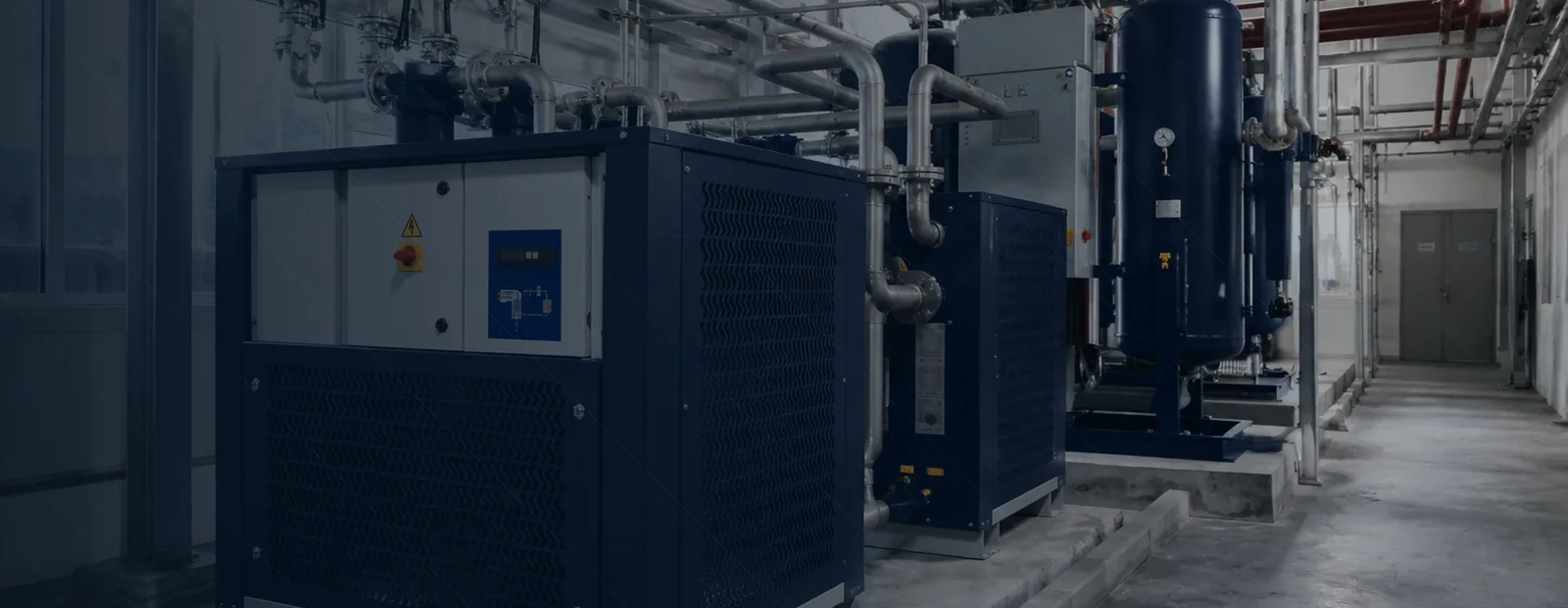
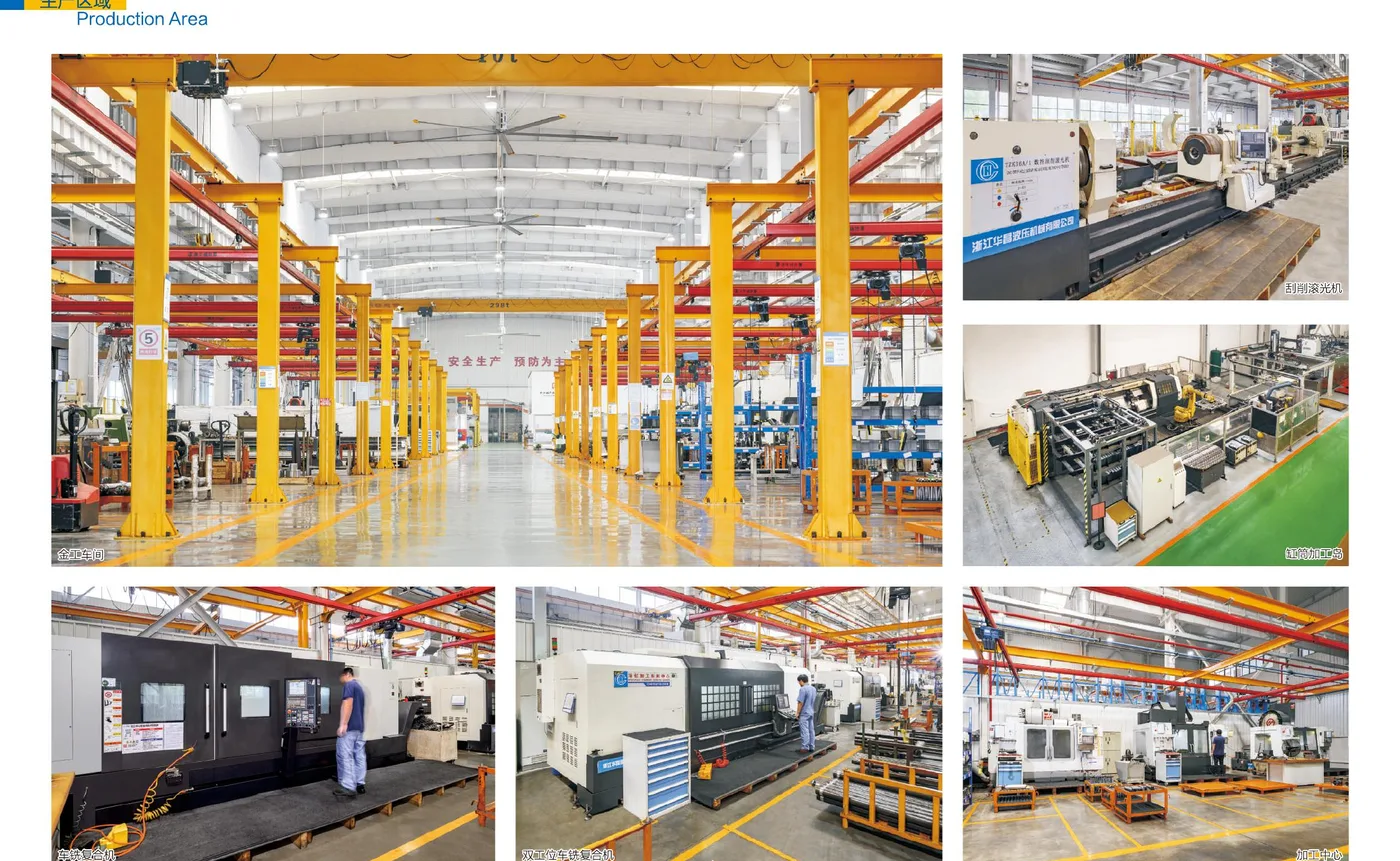
The selected hydraulic-cylinder catalogue includes identifiable machining and production-area views. These images support the site’s explanation of how drawings become inspectable parts; they are not used to make unsupported capacity, certification or lead-time claims.

Hydraulic cylinder production area from selected technical catalogue
Selected catalogue production-area view.
Manufacturing facility view from selected hydraulic cylinder catalogue
Selected catalogue facility view; used only as manufacturing context.
Selection overview

Different physics, the same requirement for measurable inputs

Product / system Primary engineering inputs Typical release evidence
Chain & sprocket Pitch, strand, tooth count, center distance, speed, power/torque, shock, lubrication. Chain/sprocket designation, interface dimensions, duty statement.
Gear / gearbox Module or DP, ratio, torque, speed, mounting, shaft/bore, backlash/accuracy, lubrication. Drawing, ratio/output definition, material/finish where required.
Drive shaft Input/output spline or flange, working length, angle, speed, torque and protection device. Interface drawing, length range, yoke/cross-kit or torque-limiter selection.
Hydraulic cylinder Force/pressure, stroke, mount centers, porting, envelope, duty cycle and environment. Approved cylinder drawing and mounting/port definition.
Complete equipment Process or machine duty, utilities, inlet/outlet conditions, controls, site limitations. Configuration and scope document tied to operating conditions.
Engineering knowledge base

Selection, maintenance and RFQ guides

Thirty substantial articles cover chain drives, sprockets, gears, gearboxes, PTO and cardan shafts, hydraulic cylinders, RTO systems, compressors, balers and crusher drivetrains. The latest guides are loaded dynamically. Use them to prepare measurable input data before contacting sales, and keep the final product drawing or configuration as the controlling purchase reference. The articles explain methods and trade-offs; they do not replace the selected catalogue or released drawing. When an article discusses a failure symptom, compare it with the actual installed geometry and operating record before deciding on a replacement.

Prepare the RFQ

Send drawings and operating data together

A good enquiry identifies what is confirmed and what still requires engineering review. The global form in the footer is available on every page, so buyers can move from a product or article directly into the same RFQ workflow. Include quantity and destination as well as the technical basis, and identify which dimensions or operating values are still provisional so engineering can close them explicitly.

Drawingor measured interfaces
Dutynormal plus credible peaks
Environmenttemperature, contamination, corrosion
Acceptancerevision, inspection and destination