
Send enough information for a useful first review
Use the form on this page or the global form in the footer. For component replacements, include the old designation, machine model, dimensioned interfaces and photos. For new components, include the latest drawing, duty and environment. For complete equipment, include process or machine inputs, available utilities, installation limits and the required result. If a drawing or analysis is not ready, state which values are measured, estimated or still open; that distinction is more useful than filling missing fields with typical numbers.
Sales email
[email protected]Korea address
Sandan-ro | Danwon-gu | Ansan-si | Gyeonggi-do | KoreaTechnical review
Reviewed by Cxm before public technical content is released.
A short checklist prevents several rounds of basic clarification
Components
- Part number or product family
- Drawing or measured interfaces
- Normal and peak load / speed / pressure
- Environment, lubrication or contamination
- Quantity, destination and acceptance requirement
Complete equipment
- Machine/process description and required result
- Inlet/feed/exhaust conditions and variation
- Prime mover or utilities
- Site envelope, access and controls
- Operating schedule and maintenance constraints
Presales and after-sales discussions use the same configuration data
Presales
Route the enquiry to the correct product family and identify missing input data.
Engineering
Review duty, interfaces, configuration options and drawing / scope confirmation.
Design coordination
Resolve integration details such as mounting, splines, ports, ducting, utilities or controls.
After-sales support
Use the supplied model/drawing and operating symptoms to distinguish maintenance issues from system causes.
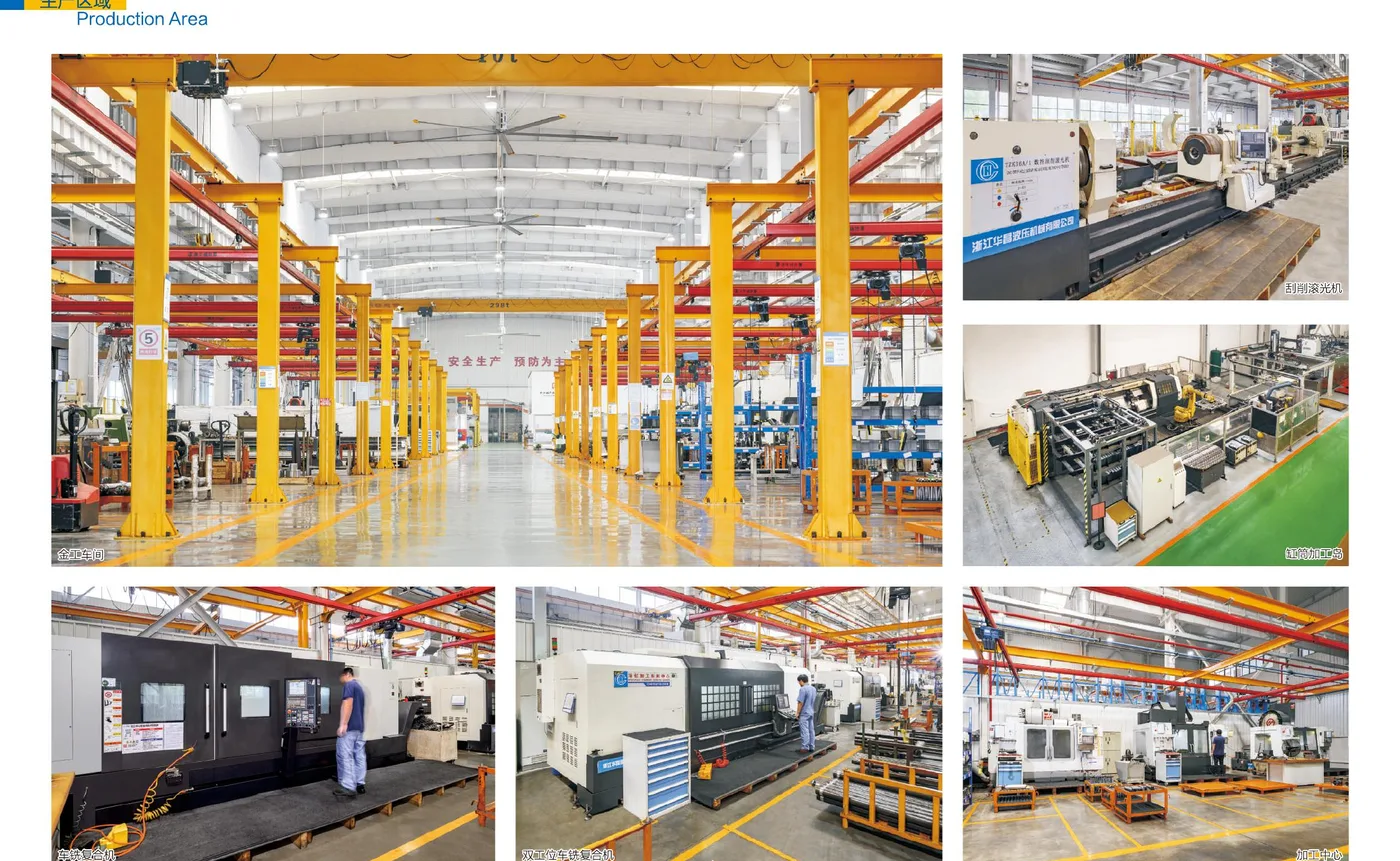
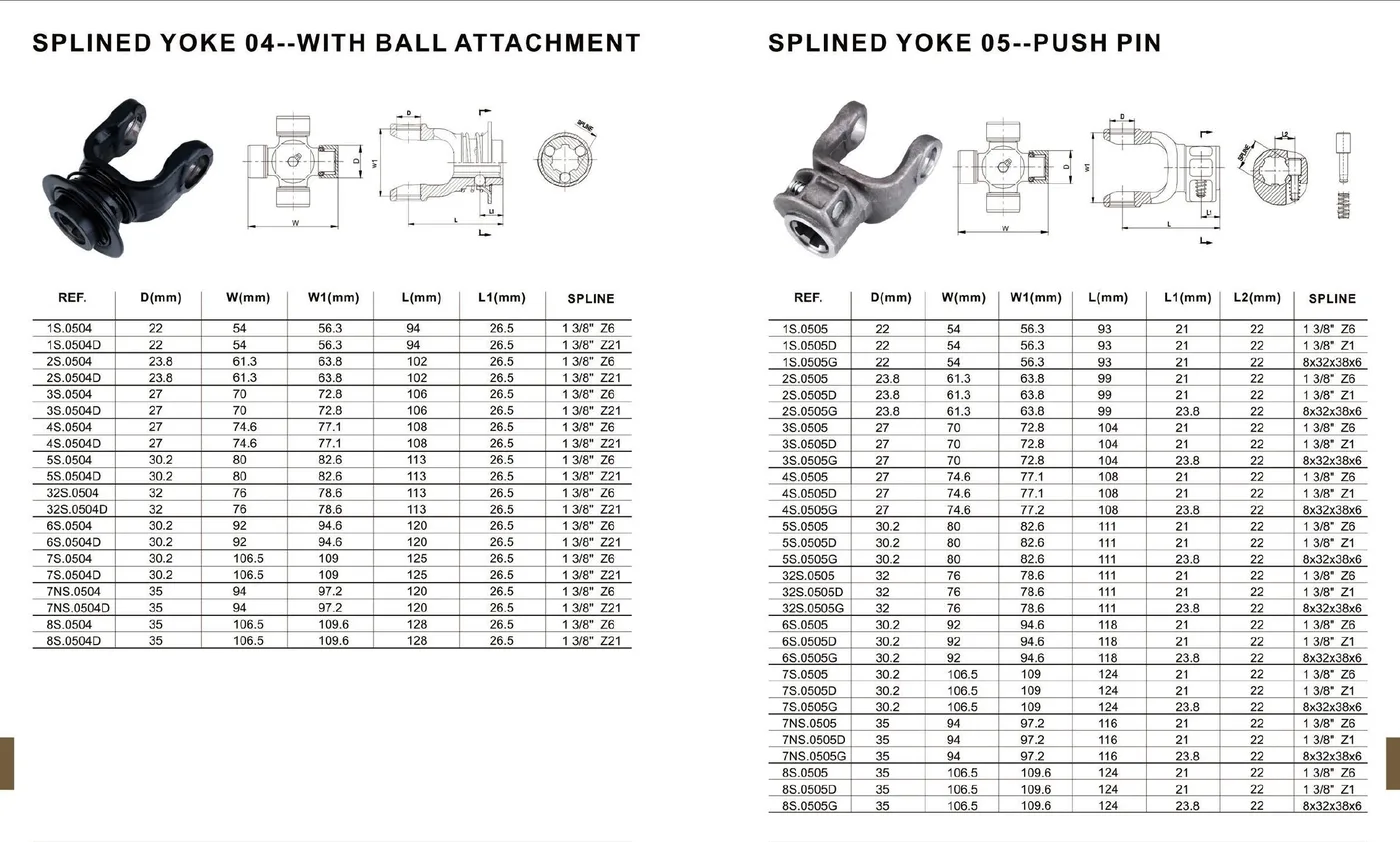
Attach evidence that answers fit, duty and acceptance questions
For replacement components, the most valuable attachments are usually a dimensioned sketch or drawing, clear photographs of both mating interfaces, the machine model/serial context and the failure symptom if one exists. For new parts, send the current interface drawing and load case. For complete equipment, include process-flow information, feed/exhaust analysis where relevant, utility availability, site layout and the required operating result.
If sensitive drawings cannot be sent in the first message, submit the enquiry with the key dimensions and note that controlled documents are available for engineering review. The quotation can then identify exactly which drawing or document is required before release.
Request an engineering quotation
Attach or describe the drawing, machine/process, operating data and the result you need. If Fluent Forms includes file-upload fields, use them for drawings and photos; otherwise send supporting files by email after submitting the enquiry. Name attachments with a revision or date where possible, and mention the same reference in the message so engineering and purchasing can identify the document that belongs to the enquiry. Include the machine or project name in the message subject when several RFQs are active at the same time.
Korea contact location
The configured contact address is shown below for commercial and project correspondence. For site visits, delivery, commissioning or field-service coordination, confirm the exact destination and access instructions in the quotation or project communication rather than assuming the general contact address is also the final jobsite. International shipments should also confirm consignee details and destination requirements separately from the public office address. If the project requires an on-site survey, include the equipment area, access limits, operating schedule and the local contact responsible for safe site coordination.
Keep technical changes traceable
When the proposed configuration changes, update the drawing, scope or quoted option explicitly rather than relying on a new email description. Record units and revision identifiers on every technical attachment. If the customer accepts a deviation, make it visible in the release record so manufacturing, logistics and receiving inspection use the same definition. The global footer form remains available on every page for follow-up questions and additional project data.
For after-sales troubleshooting, include the delivered model or drawing reference, operating hours where known, the observed symptom, when it occurs, recent maintenance and any change in the surrounding machine or process. That information helps separate product wear from alignment, contamination, overload, installation or upstream/downstream causes.