
Answer first. To verify chain and sprocket geometry as a matched set rather than treating either component independently, start by documenting chain designation, pitch, strand count, tooth count, bore/bush, center distance and alignment. Do not select from the component name alone. The final choice has to match the actual interface, duty and environment, and any unknown value should remain an engineering confirmation item instead of being filled with a generic number.
This guide explains a procurement-oriented method for chain sprocket matching. It is intended to help a buyer prepare a supplier-ready RFQ and to help maintenance or design teams distinguish a component problem from a system problem. Common field risks include pitch mismatch, wrong strand spacing, worn teeth, incorrect bush, misalignment.
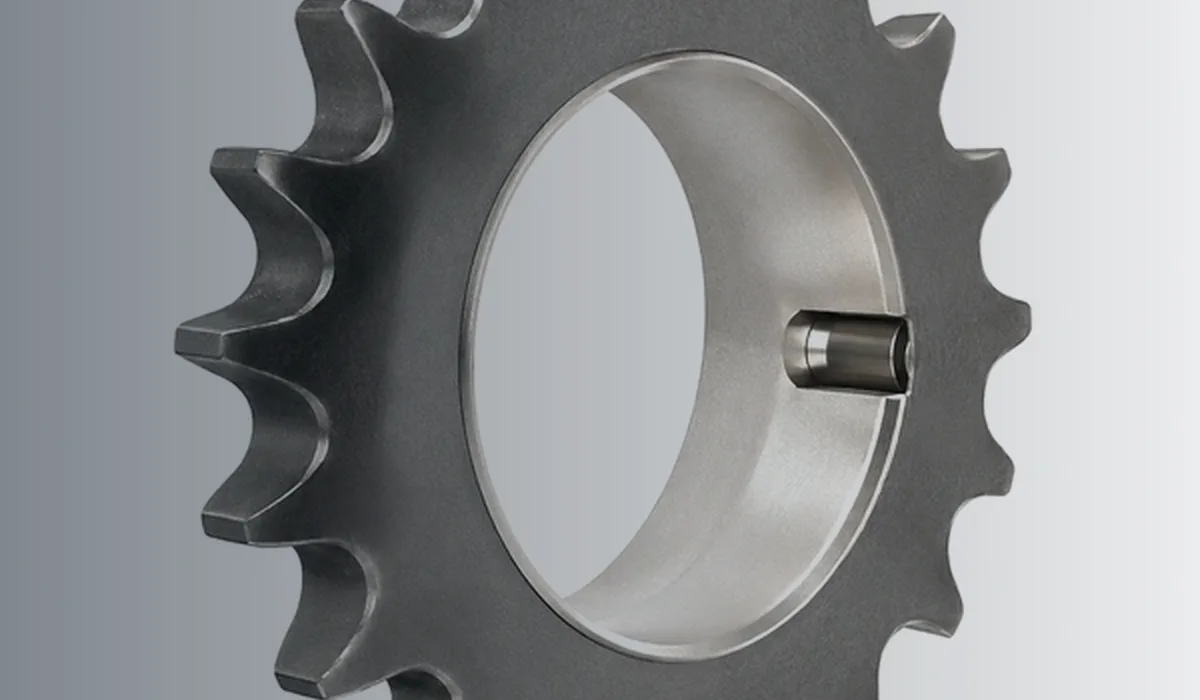
1. Define the decision before collecting part numbers
sprocket and chain drive should be treated as an engineering decision, not as a catalogue-name match. Verify chain and sprocket geometry as a matched set rather than treating either component independently. The review starts with chain designation, pitch, strand count, tooth count, bore/bush, center distance and alignment; those inputs define the load path, interfaces and operating envelope before a model or drawing is released. For the initial specification, the useful question is not simply whether a component can be supplied, but whether the selected geometry, materials, interfaces and maintenance method remain appropriate across normal operation, startup, shutdown and foreseeable transients. Common warning signs include pitch mismatch, wrong strand spacing, worn teeth, incorrect bush, misalignment. These symptoms can come from a selection error, an installation error or a system condition outside the component itself, so replacing like-for-like without checking the root cause can repeat the failure. A buyer therefore benefits from separating confirmed drawing data from assumptions, recording units and tolerances clearly, and marking every value that still requires supplier confirmation. That approach improves quotation comparability, reduces avoidable drawing revisions and gives engineering, purchasing and maintenance teams one shared basis for approval.
A useful first page of the RFQ states what the machine is supposed to do, what is changing, and what is fixed. If the project is a replacement, identify whether the original component failed, wore out normally, no longer fits a modified machine, or is simply unavailable. If it is a new design, state the output requirement and the interfaces already frozen by adjacent equipment. This context changes how a supplier interprets the same nominal size.
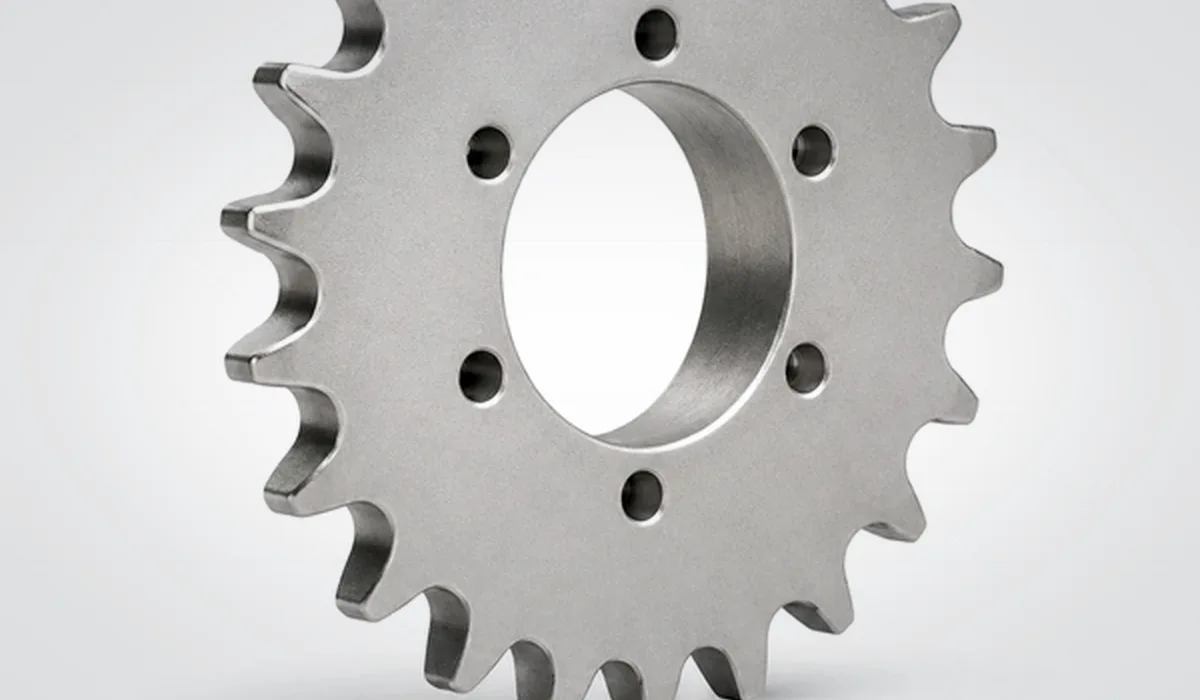
2. Understand the load path and interfaces
sprocket and chain drive should be treated as an engineering decision, not as a catalogue-name match. Map each connection and the way load passes through it. The review starts with chain designation, pitch, strand count, tooth count, bore/bush, center distance and alignment; those inputs define the load path, interfaces and operating envelope before a model or drawing is released. For interface definition, the useful question is not simply whether a component can be supplied, but whether the selected geometry, materials, interfaces and maintenance method remain appropriate across normal operation, startup, shutdown and foreseeable transients. Common warning signs include pitch mismatch, wrong strand spacing, worn teeth, incorrect bush, misalignment. These symptoms can come from a selection error, an installation error or a system condition outside the component itself, so replacing like-for-like without checking the root cause can repeat the failure. A buyer therefore benefits from separating confirmed drawing data from assumptions, recording units and tolerances clearly, and marking every value that still requires supplier confirmation. That approach improves quotation comparability, reduces avoidable drawing revisions and gives engineering, purchasing and maintenance teams one shared basis for approval.
Use a sketch with named datums where possible. Dimensions should be tied to those datums rather than a photograph scale. For rotating equipment, show shaft direction and supported/overhung loads. For linear hydraulic equipment, show pin centers and force direction. For process equipment, show flow direction and upstream/downstream equipment. The objective is the same: make the boundary between this product and the rest of the machine explicit.
3. Selection workflow
- Record the current state. Collect drawing revision, photographs, measurements and operating history.
- Quantify the duty. Write the normal range and the credible peaks/transients; do not report only an average.
- Verify mating interfaces. Confirm every bore, spline, flange, mount, port, center distance or process connection.
- Choose the product family. Use source-backed families and supported options; mark the rest for confirmation.
- Review environment and maintenance. Include contamination, temperature, corrosion, washdown, lubrication, access and guarding.
- Agree acceptance. Identify the released drawing and the dimensions or functional checks that matter at receiving inspection.
sprocket and chain drive should be treated as an engineering decision, not as a catalogue-name match. Turn the above sequence into a documented engineering release. The review starts with chain designation, pitch, strand count, tooth count, bore/bush, center distance and alignment; those inputs define the load path, interfaces and operating envelope before a model or drawing is released. For selection workflow, the useful question is not simply whether a component can be supplied, but whether the selected geometry, materials, interfaces and maintenance method remain appropriate across normal operation, startup, shutdown and foreseeable transients. Common warning signs include pitch mismatch, wrong strand spacing, worn teeth, incorrect bush, misalignment. These symptoms can come from a selection error, an installation error or a system condition outside the component itself, so replacing like-for-like without checking the root cause can repeat the failure. A buyer therefore benefits from separating confirmed drawing data from assumptions, recording units and tolerances clearly, and marking every value that still requires supplier confirmation. That approach improves quotation comparability, reduces avoidable drawing revisions and gives engineering, purchasing and maintenance teams one shared basis for approval.
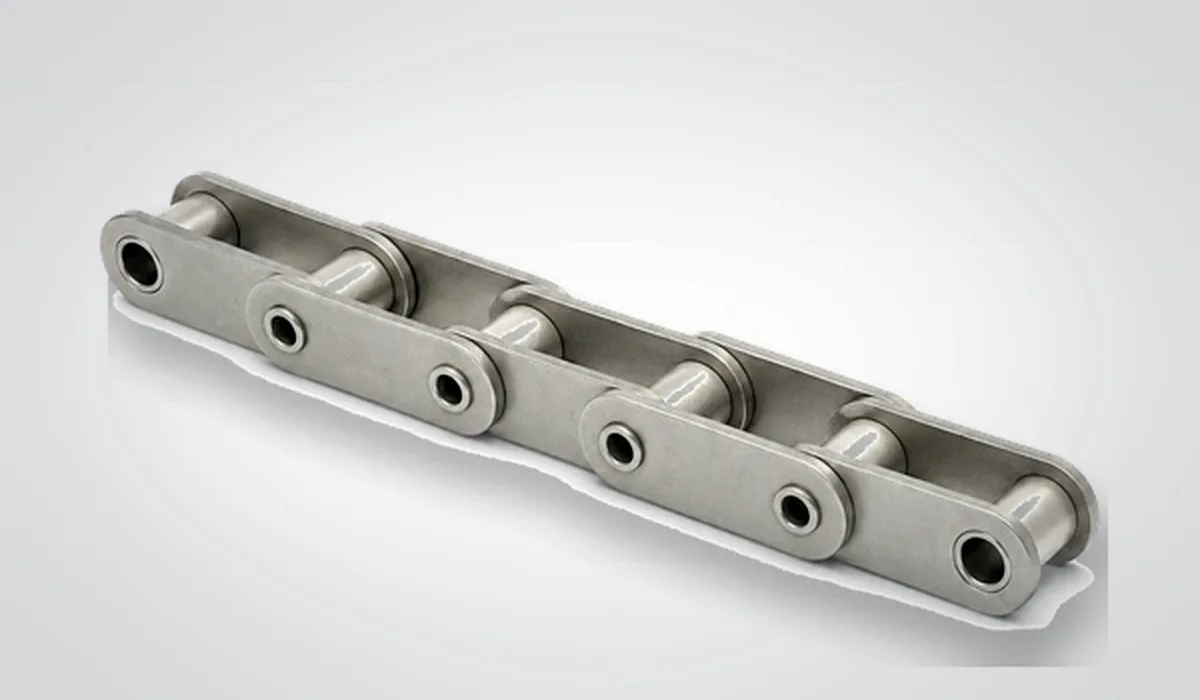
4. Application, installation and commissioning
sprocket and chain drive should be treated as an engineering decision, not as a catalogue-name match. Check the component in the installed machine rather than on the bench alone. The review starts with chain designation, pitch, strand count, tooth count, bore/bush, center distance and alignment; those inputs define the load path, interfaces and operating envelope before a model or drawing is released. For installation and commissioning, the useful question is not simply whether a component can be supplied, but whether the selected geometry, materials, interfaces and maintenance method remain appropriate across normal operation, startup, shutdown and foreseeable transients. Common warning signs include pitch mismatch, wrong strand spacing, worn teeth, incorrect bush, misalignment. These symptoms can come from a selection error, an installation error or a system condition outside the component itself, so replacing like-for-like without checking the root cause can repeat the failure. A buyer therefore benefits from separating confirmed drawing data from assumptions, recording units and tolerances clearly, and marking every value that still requires supplier confirmation. That approach improves quotation comparability, reduces avoidable drawing revisions and gives engineering, purchasing and maintenance teams one shared basis for approval.
Before full-duty operation, verify fasteners, guards, lubrication or fluid/air/process connections, clearances and alignment according to the machine procedure. Observe the first operating period for abnormal noise, heat, vibration, leakage, movement or control instability. These observations are valuable baseline data for later maintenance and can reveal an interface error before it becomes a severe failure.
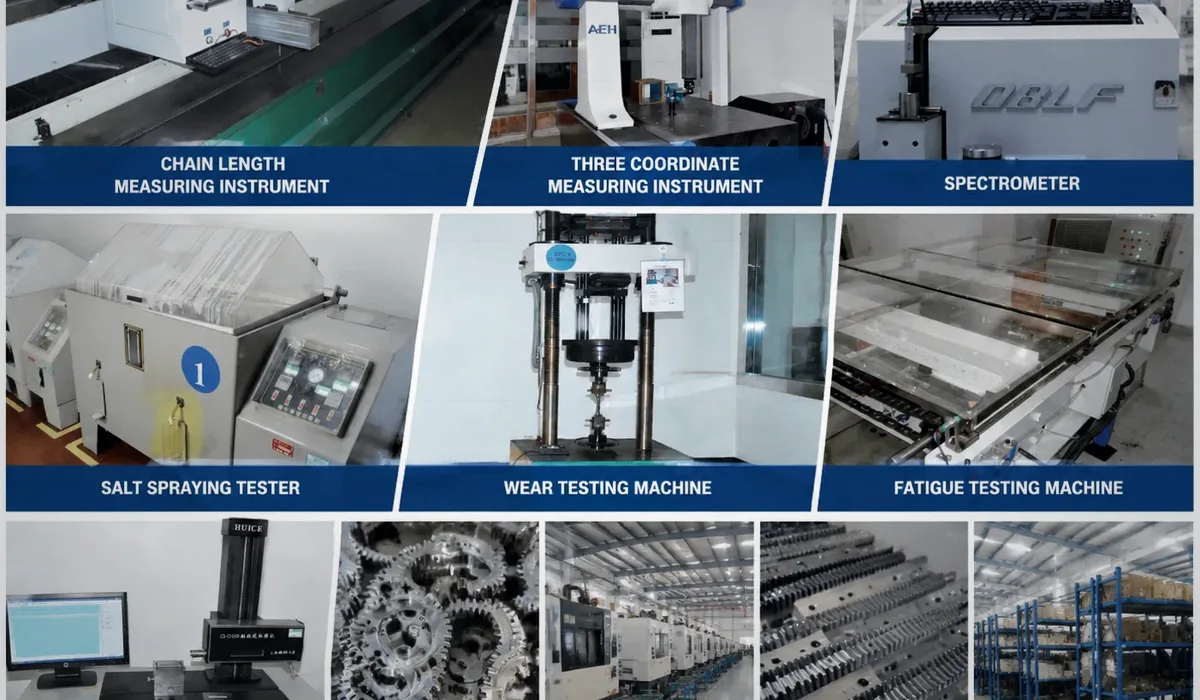
5. Maintenance and troubleshooting
sprocket and chain drive should be treated as an engineering decision, not as a catalogue-name match. Use condition evidence to distinguish root cause from symptom. The review starts with chain designation, pitch, strand count, tooth count, bore/bush, center distance and alignment; those inputs define the load path, interfaces and operating envelope before a model or drawing is released. For maintenance, the useful question is not simply whether a component can be supplied, but whether the selected geometry, materials, interfaces and maintenance method remain appropriate across normal operation, startup, shutdown and foreseeable transients. Common warning signs include pitch mismatch, wrong strand spacing, worn teeth, incorrect bush, misalignment. These symptoms can come from a selection error, an installation error or a system condition outside the component itself, so replacing like-for-like without checking the root cause can repeat the failure. A buyer therefore benefits from separating confirmed drawing data from assumptions, recording units and tolerances clearly, and marking every value that still requires supplier confirmation. That approach improves quotation comparability, reduces avoidable drawing revisions and gives engineering, purchasing and maintenance teams one shared basis for approval.
| Observation | Check first | Why it matters |
|---|---|---|
| Unexpected heat | Load, alignment, lubrication/cooling and clearances | Heat can be a system symptom rather than a material defect. |
| Noise or vibration | Geometry, looseness, phasing/mesh/alignment and wear pattern | Frequency and load dependence help isolate the source. |
| Rapid wear | Contamination, lubrication, hardness/material match and overload | Replacing the part without correcting the cause can repeat the failure. |
| Fit or assembly problem | Drawing revision, datums, mating-part dimensions and field modifications | Nominal model identity does not guarantee the same interface. |
6. RFQ checklist
For chain sprocket matching, include the following information in one package. It lets suppliers quote against the same assumptions and makes technical comparison easier:
- Application and machine/process description
- chain designation, pitch, strand count, tooth count, bore/bush, center distance and alignment
- Latest drawing or measured interface sketch with units
- Normal and peak/transient operating conditions
- Environment, contamination, temperature and maintenance access
- Quantity, destination and required delivery sequence if relevant
- Inspection, reporting and acceptance expectations
- Known failure history or reason for replacement
Use the engineering selection workflow for the site-wide method and the Contact/RFQ page when the package is ready.
FAQ
Can I select chain sprocket matching from a photo?
A photo can identify a general product family, but it rarely proves hidden interfaces, material, load rating or exact geometry. Use it with measurements and application data.
What if I do not know the load?
Provide motor/tractor/hydraulic/process data and describe the machine cycle. The supplier can identify which calculation inputs are still missing; do not invent a load just to complete a form.
Should I copy the old specification exactly?
Copy confirmed geometry and source data, but also report the reason for replacement and any machine changes. A repeated field problem may justify revisiting lubrication, alignment, duty or protection.
What makes two quotations technically comparable?
They should reference the same duty, interfaces, material/option requirements, drawing revision and acceptance scope. If suppliers make different assumptions, those assumptions should be listed before price comparison.
Prepare a chain sprocket matching enquiry
Send the confirmed data first and highlight the unknowns. A focused confirmation list is preferable to a quotation built on hidden assumptions.
- Latest drawing, sketch or measured interface data
- Normal and peak operating conditions
- Quantity, environment and acceptance expectations
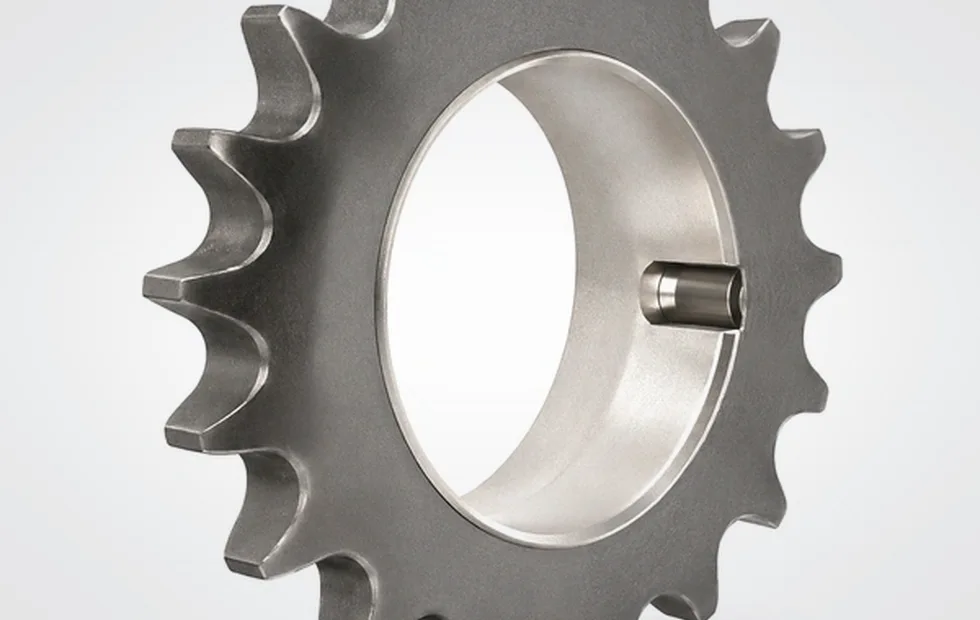
Turn the chain-and-sprocket drive enquiry into an approvable configuration
The final decision should not depend on a catalogue title alone. Build a short release record that links the selected family to the actual machine or process. For this article, the controlling inputs are pitch, tooth count, bore/bush, hub orientation, center distance, speed and torque. Record the source of every important value—drawing, direct measurement, operating record or engineering calculation—and keep assumptions visible until they are confirmed.
Separate normal duty from credible peaks. A component can appear correct at steady state and still be unsuitable during startup, reversing, turning, plugging, thermal excursion, pressure spike or other transient. If a protection device, guard, filter, relief function, torque limiter or process interlock is expected to manage that event, state the intended behaviour rather than only increasing a generic safety factor.
Approve what has to fit before production begins
A released drawing or configuration record should identify the datums and mating features that control installation. For a replacement, use the old part number as a reference but verify the dimensions that can detect a wrong or superseded identification. For a new design, link each custom dimension to a machine or process need. This keeps dimensional changes from becoming informal email instructions that are difficult to inspect later.
Confirmed
Values taken from the controlling drawing, approved data sheet or direct measurement with units.
Derived
Calculated or inferred values with the basis recorded so another engineer can reproduce the reasoning.
Open
Unknown or application-dependent items that remain explicit supplier questions rather than guessed specifications.
Check the system around the new part
Before full-duty operation, verify alignment, mounting, fasteners, guards, lubrication/filtration, clearances and the complete range of machine movement. Where the operating procedure permits, start under controlled conditions and look for abnormal temperature, vibration, noise, leakage, contact marks, looseness or unexpected control behaviour. A recurring symptom should trigger a root-cause check of the surrounding machine instead of automatic like-for-like replacement.
Record the as-installed configuration and any commissioning observations. That record becomes useful when maintenance later needs to distinguish normal wear from an interface, contamination or overload problem.
Make receiving inspection proportional to risk
The purchase order should identify the revision and the features that matter to fit and function. Material, finish, heat treatment, performance test or certificate requirements should be requested where they support the application—not as a generic list copied from another job. For custom products, critical dimensions should be traceable to the released drawing. For complete equipment, functional acceptance should be tied to agreed inlet/outlet, duty or process conditions.
- Controlling drawing or configuration revision
- Critical interfaces and units / tolerances
- Normal and peak duty used for selection
- Required material, treatment or protection where applicable
- Inspection / functional evidence required at acceptance
- Remaining confirmation items closed before release