
Engineering-led product sourcing for Korea and international industrial buyers
The site is organised around HZPT / EVER-POWER product families: power-transmission components, drive shafts, hydraulic cylinders and selected complete equipment. Public technical content is tied to a selected catalogue, structured product sheet or current HZPT product source; where a source does not establish a value, the site turns that gap into an RFQ question rather than a marketing claim.
The operating model is simple: define the duty, freeze the interfaces, select the product family, confirm the configuration and release measurable acceptance data.

Use sample evidence without overstating company scale
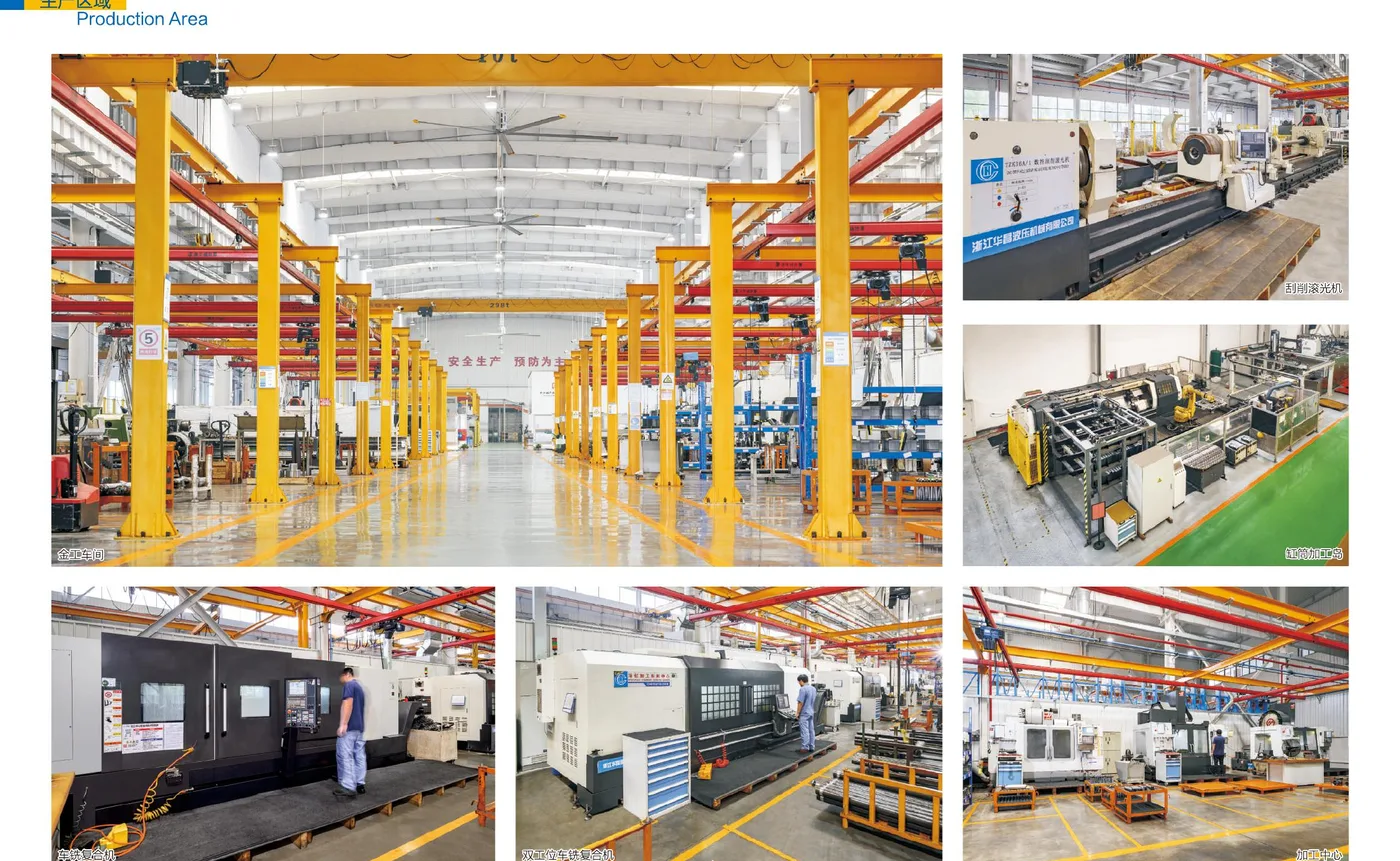
The selected hydraulic-cylinder catalogue contains facility and production imagery that can support an explanation of machining and assembly context. This site deliberately avoids turning a photograph into unsupported claims about current Korea-site capacity, employee count, annual output, certifications or delivery time.
For a buyer, the more useful question is whether the proposed product can be traced to a drawing, whether the required features can be manufactured and inspected, and what information must be confirmed before release.
From application data to an inspectable configuration
- Capture application, load, speed/pressure/process and environmental requirements.
- Define the physical interfaces and controlling datums.
- Select a catalogue family or create a drawing-controlled custom configuration.
- Review material, heat treatment, sealing/lubrication, protection and maintenance implications.
- Release a drawing/configuration and inspection basis that purchasing and receiving teams can both use.
Quality language should describe checks, not generic badges
The public site focuses on verifiable engineering controls: drawing revision, critical dimensions, interface geometry, material or finish when required, function at stated operating conditions and inspection documentation that the order actually calls for. If a customer needs a specific certificate, test report or process record, that requirement should be written into the RFQ and confirmed in the quotation rather than implied by a generic website statement.
Drawings & datums
Critical dimensions must refer to a controlled geometry.
Material & treatment
Specify them when the application or drawing requires them.
Inspection points
Identify what will be measured and at what stage.
Functional checks
Tie tests to the agreed duty or interface, not a vague quality claim.
Custom should mean a functional difference
Custom bores, splines, shaft lengths, cylinder mounts/ports, gear geometry, gearbox interfaces and complete-equipment scope should all trace back to a reason in the machine or process. The site therefore asks for application data first. This avoids “customization” becoming an open-ended label and gives engineering, purchasing and production one definition of what is changing and what remains standard.
For replacements, the existing part can be used as a reference, but measured or drawing data should confirm it. For new designs, the latest interface drawing, normal and peak duty, operating environment, quantity, destination and acceptance expectations should accompany the enquiry.
Presales, engineering review and after-sales information use the same technical baseline
Presales work should identify the right family and the missing information. Engineering review should close those questions and produce a configuration that can be released. After delivery, maintenance and troubleshooting are more effective when the same drawing, model and duty information are retained. The engineering guides on this site are written around that lifecycle rather than around promotional claims.
Catalogue-backed product identity before marketing copy
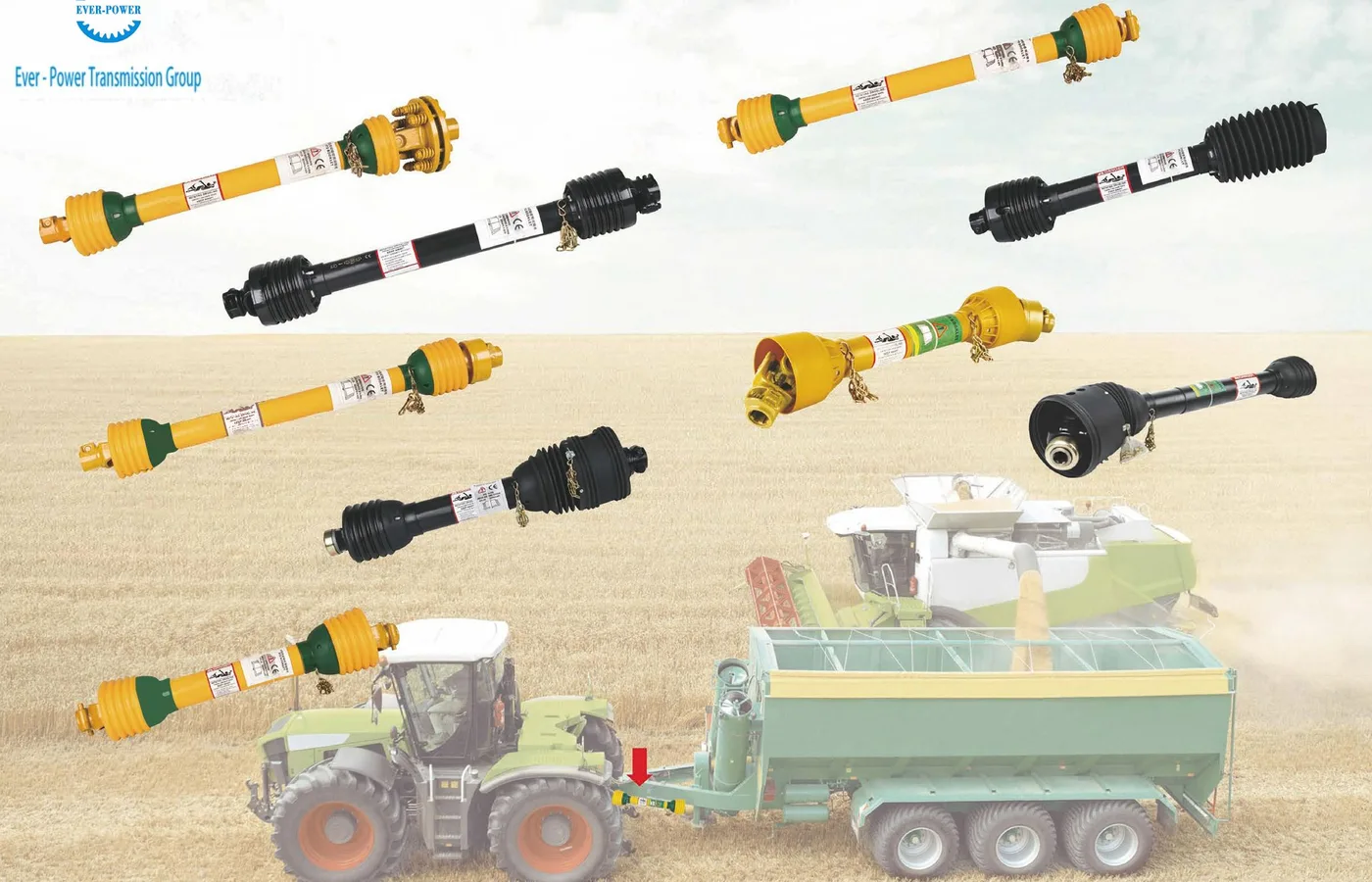
The selected drive-shaft catalogue illustrates PTO shaft families and agricultural application context, while the hydraulic catalogue provides cylinder applications, drawings and production imagery. These sources are used to establish what can be shown and discussed. Broader product families such as chain, sprocket, gear and gearbox are supported by current HZPT product sources and structured technical samples selected during the evidence gate.
This source hierarchy matters because a polished website can otherwise overstate a capability simply by reusing a photograph. The public copy therefore distinguishes product identity, application guidance and model-level numeric evidence. If a claim depends on a specific model or supplier document, the quotation must carry that evidence forward.
What HZPT Korea needs from engineering and purchasing teams
The fastest projects start with a clear boundary between what the buyer already knows and what the supplier must confirm. Engineering teams can provide drawings, load cases and acceptance criteria; maintenance teams can add failure history, photos and service conditions; purchasing can add quantity, destination and commercial timing. Combining those inputs in one RFQ reduces the risk of receiving technically different quotations that appear comparable only because their product titles are similar.
For repeat orders, retain the released drawing or configuration with the purchase history. For replacements, note whether the original unit failed, wore out normally or is being changed for a new operating condition. For complete equipment, retain the agreed process basis and utility data. These records make future support faster and help distinguish a product issue from a changed machine or process condition.